It asked one to value intention, handwork, and longevity. But the current moment is showing us what that value looks like when it is lived with.
Not for ceremonies, not to make a statement, and certainly not as a performance of heritage.
Contemporary Indian fashion today is instinctive in how easy and unforced it is. It exists not as revival, but as a quiet, continued presence.
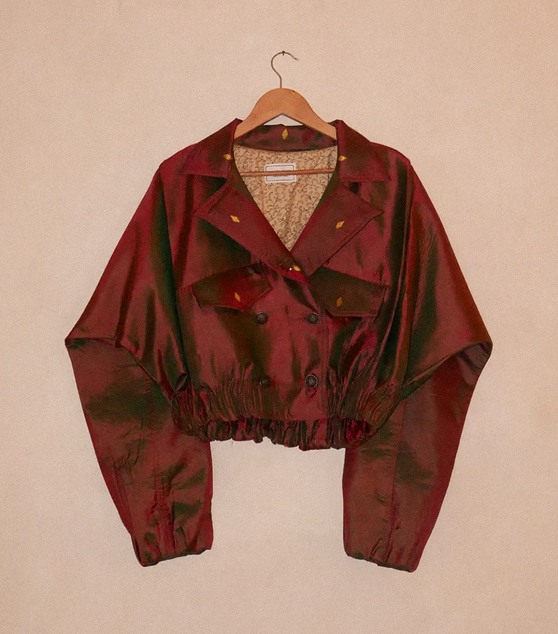
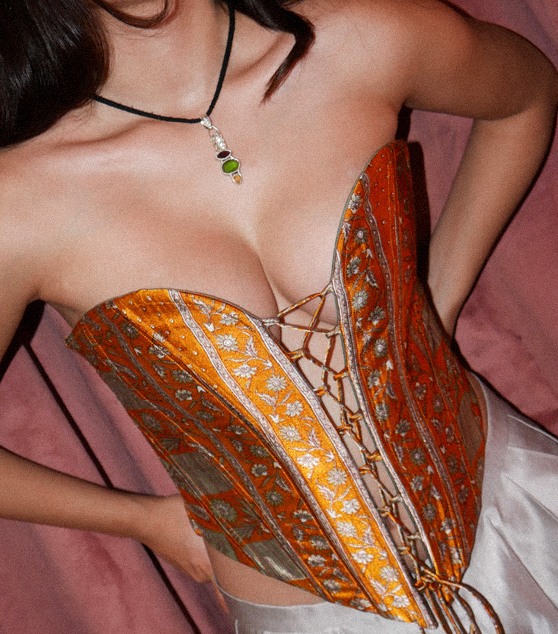
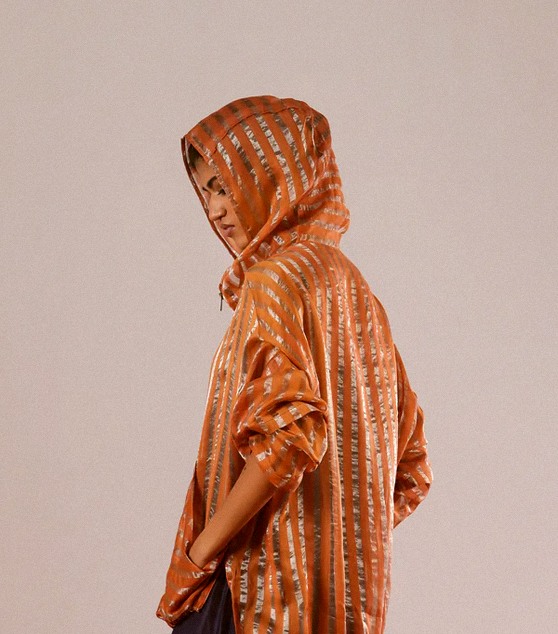
Indian Craft is present in the lives and wardrobes of these individuals, and they have stopped looking for the right places to wear them to.
This shift is a continuation of longer conversations that many in the realm of craft and culture have been having, regarding value and discernment.
If slowing down and choosing better were once ideals, this everyday presence of craft is what the talk of craft revival for the modern day looks like in practice.
The language of preservation has softened and contemporary designers are not claiming to rescue tradition, they are more invested in learning its way or working with those practicing it, to adapt them for contemporary lives, bodies, and moments.
So what shapes contemporary Indian fashion now is fluency; tradition and modernity no longer sit across each other as opposing ideas but rather they coexist within the same garment.
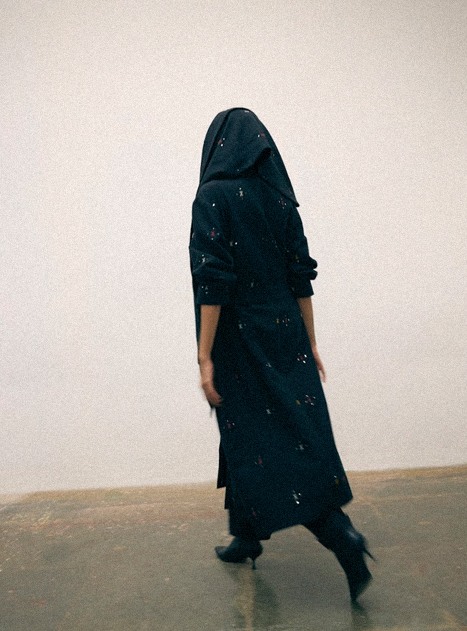
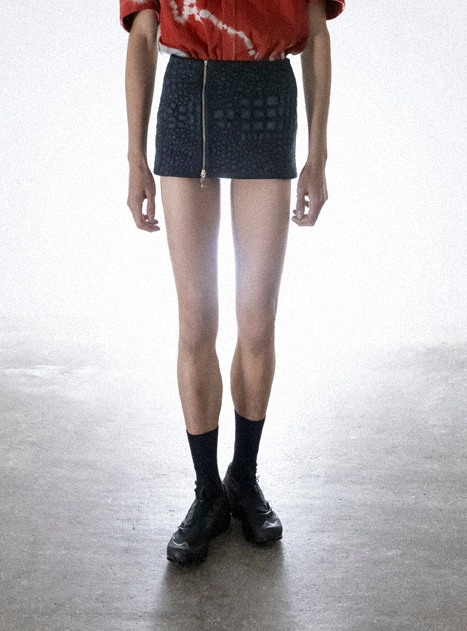
The modern Indian silhouettes feature relaxed tailoring, gender-fluid forms, and seasonless layers. These clothes are designed to move between work, travel, and social spaces without requiring the wearer to shift identity.
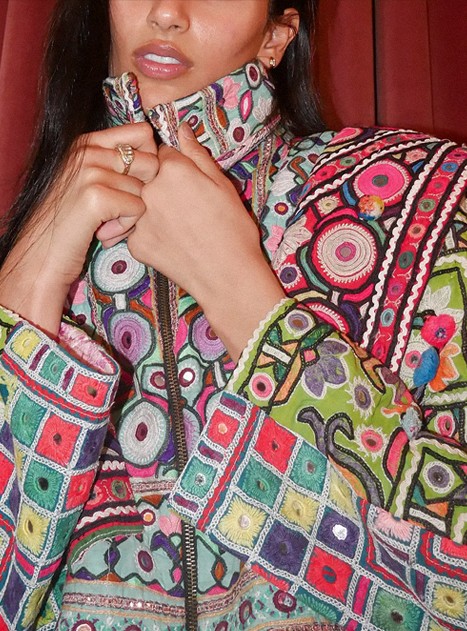
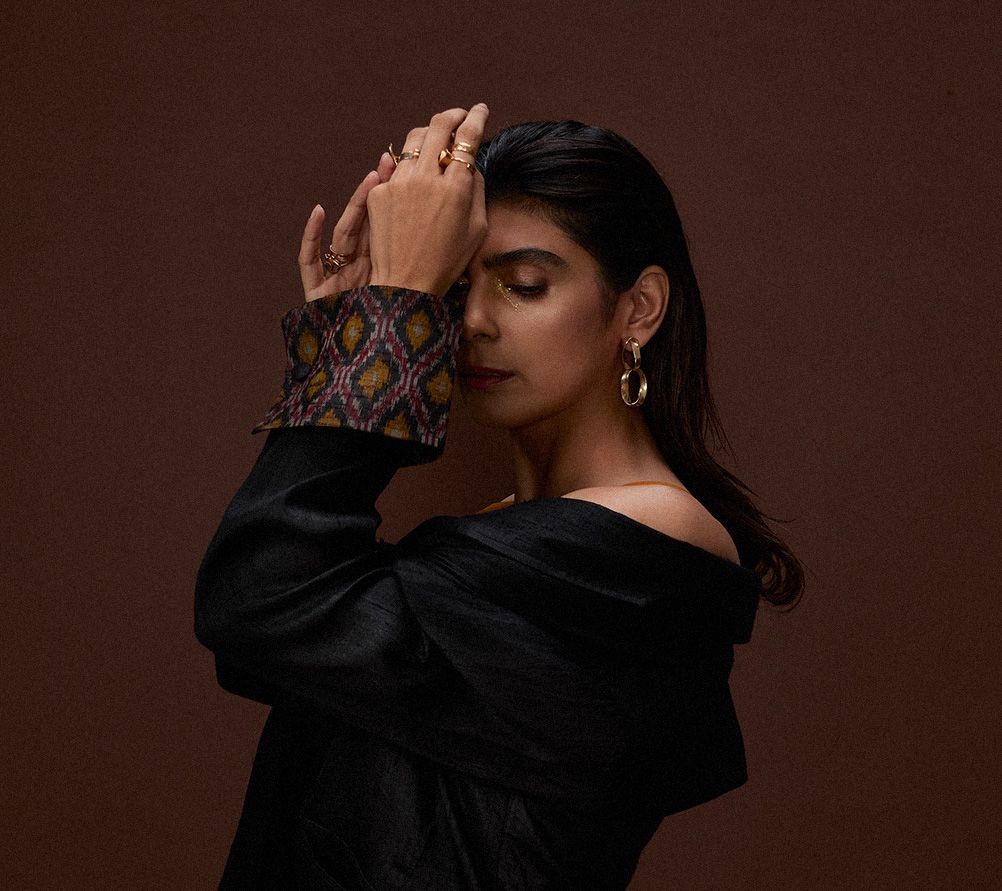
Traditional craft on garments or in lifestyle objects appears in quieter ways – this may be in the weight and texture of a fabric or in the complexity of the traditional techniques being carried forward rather than repeating obvious motifs that represent India.