You sense it instead; in the way a garment feels when you put it on, in how it moves with you through the day, in how it becomes familiar rather than impressive.
This moment feels quieter, but also more assured. Less interested in proving relevance, more invested in presence. Fashion today isn’t asking to be noticed immediately. It’s asking to be lived with.
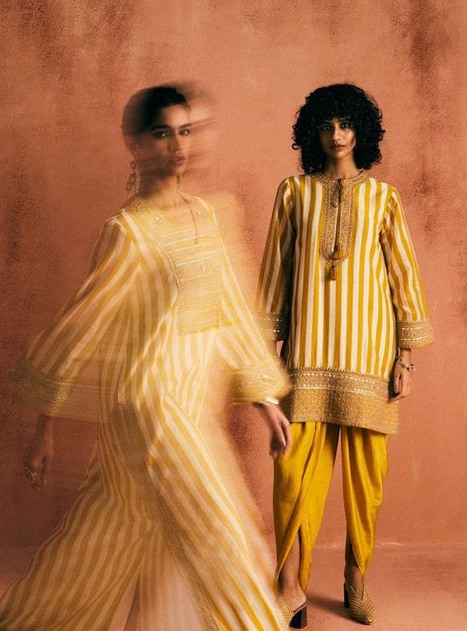
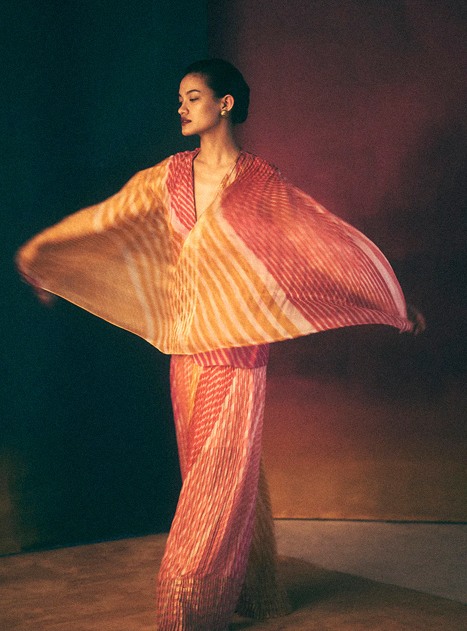
Print, in particular, has changed its posture. Once the loudest voice in Indian fashion, it now feels more avoidant of spectacle.
Patterns appear softened, abstracted, sometimes even imperfect.
They don’t dominate the garment; they settle into it. You don’t read them instantly — you grow into them.
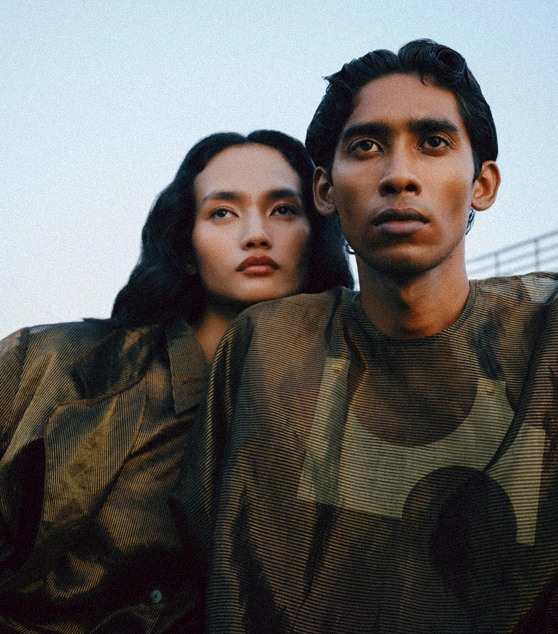
Labels like Urvashi Kaur and Anurag Gupta use print almost like atmosphere. It’s there, but it doesn’t instruct you on how to feel.
It reveals itself slowly, through repetition, through wear. A motif might blur slightly with time, edges might soften. Instead of feeling decorative, print becomes lived-in, closer to memory than message.
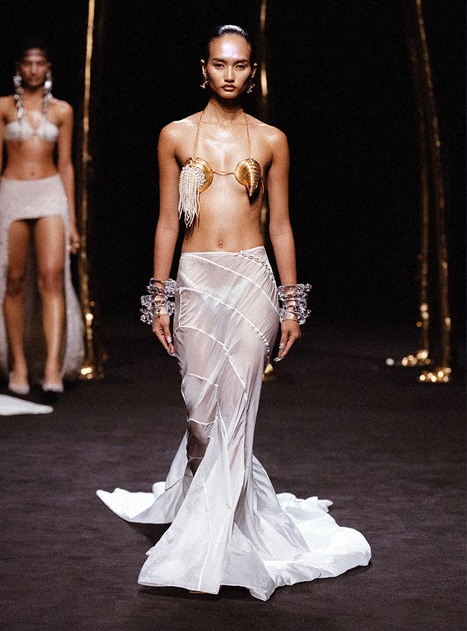
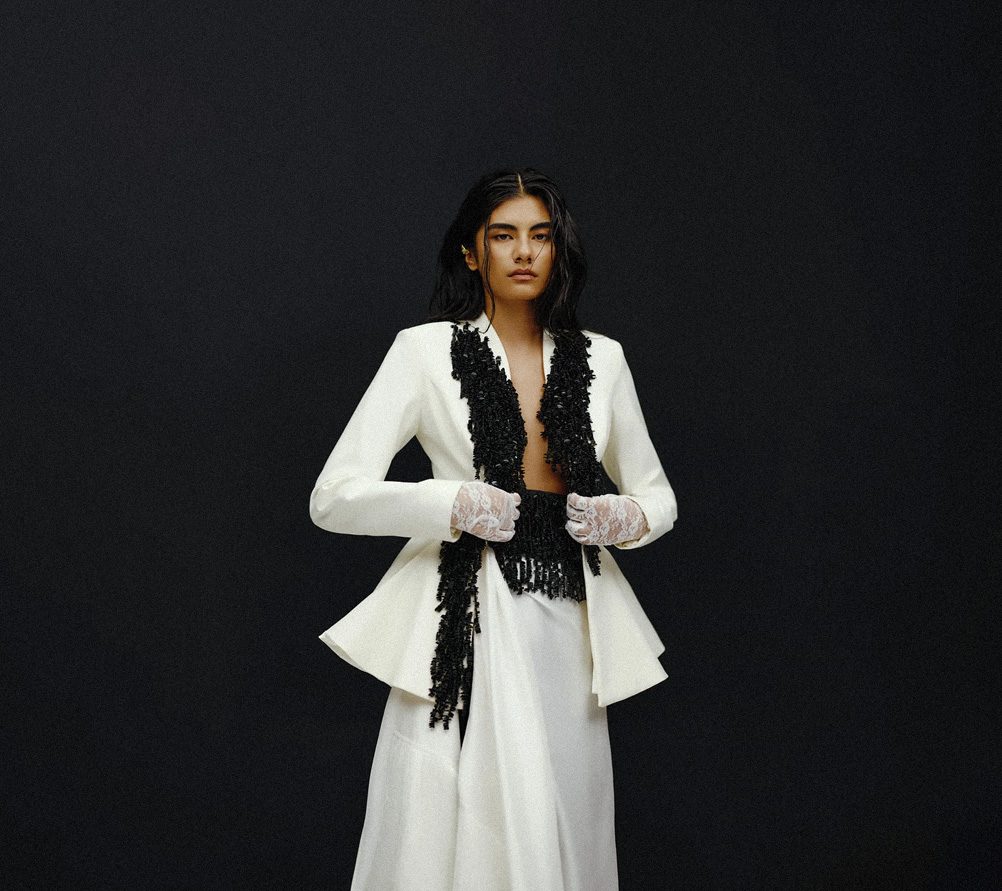
Texture has stepped into the foreground with a quiet confidence. Not texture as embellishment, but texture as experience. Handwoven cottons that feel slightly uneven.
Silks that hold light in unexpected ways. Fabrics that crease, fold and respond to the body rather than resisting it.
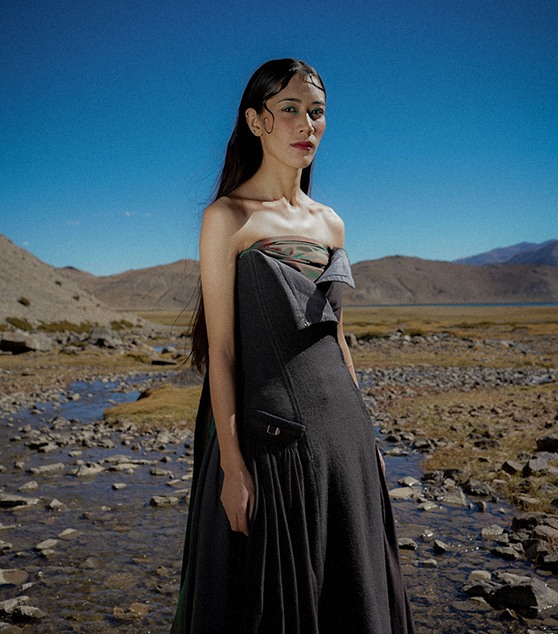
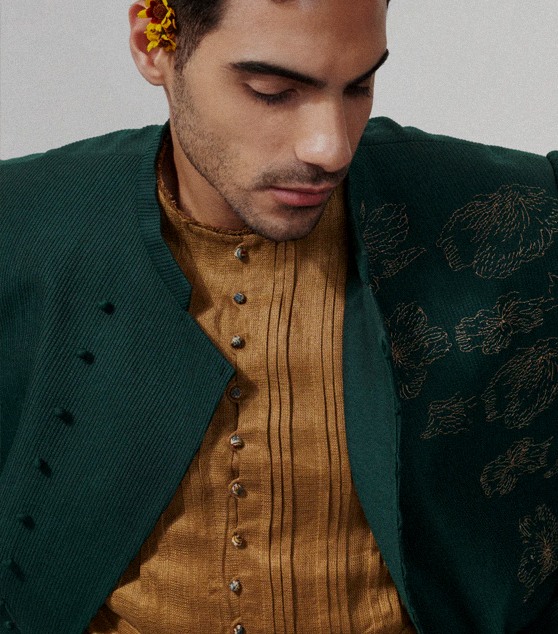
Designers such as 431-88, Saldon Ladakh and Khanijo foreground material intelligence. Their garments don’t rely on surface drama.
The interest lies in touch — in how cloth behaves, how it wears, how it changes. Texture becomes the emotional anchor, replacing excess with depth.
This tactile focus naturally shifts the relationship with time. Clothes aren’t expected to remain pristine. They’re allowed to soften, fade and carry traces of movement.
Wear is absorbed into the garment’s identity. Fashion no longer freezes itself at the moment of purchase; it evolves alongside the person wearing it.