It shows up in slower decisions; in what stays, what quietly leaves, what earns its place over time.
Homes aren’t being stripped down so much as they’re being edited.Excess gives way to intention.
Objects are chosen for how they feel in the hand, how they age in the light, how they settle into daily routines.
The focus drifts away from accumulation and lands somewhere softer, alignment, perhaps.
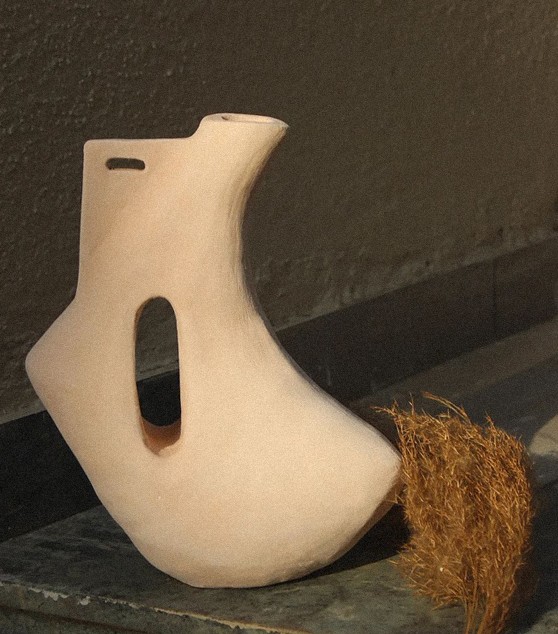
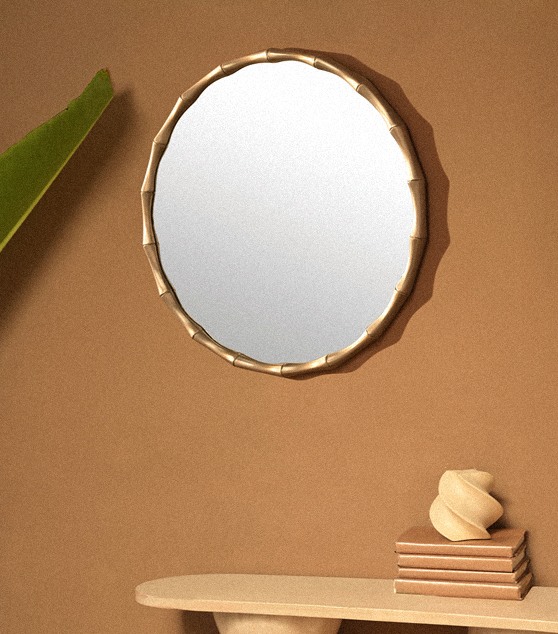
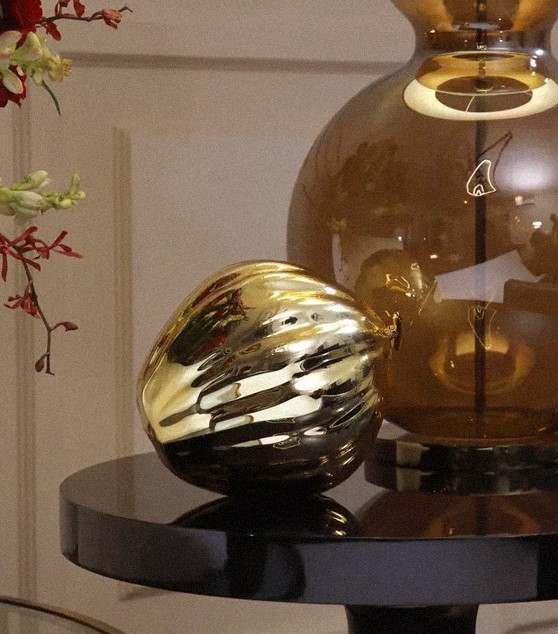
In these homes, nothing arrives in a hurry. Objects come slowly and stay longer. They’re lived with, not replaced. A chair is chosen because it’s comfortable and will last.
A garment remains in rotation for years, not seasons. Wear isn’t hidden. Patina is expected.
Something shifts when you live this way. Attention moves toward craft, material, process. With fewer things around you, you start to notice more.
The weight of a hand-thrown bowl. The texture of a woven textile.
The balance of something made well. These details matter because they’re encountered every day, often without thinking.
Spaces change too. Rooms feel calmer, not emptier. Each object has room to exist without competing. The home stops feeling styled and starts feeling composed.
This isn’t minimalism as a visual language. It doesn’t demand white walls or strict palettes. It allows for contradiction, for layering, for personal history. What it quietly resists is clutter without meaning.