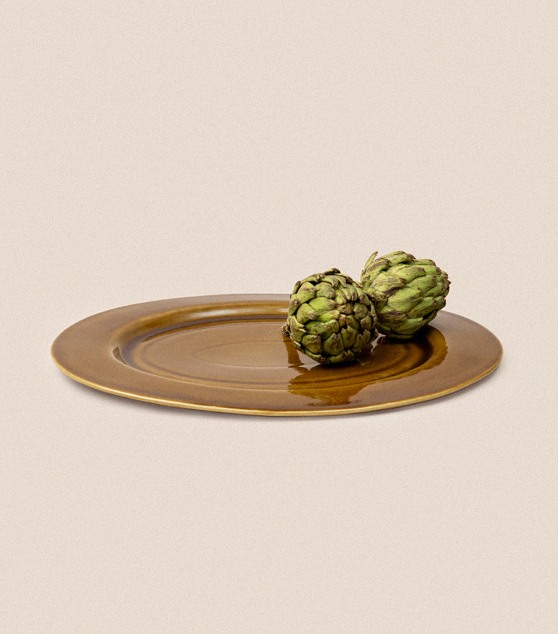
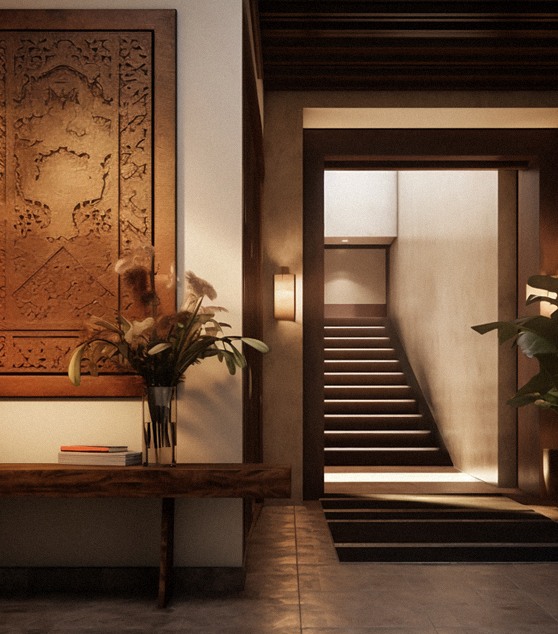
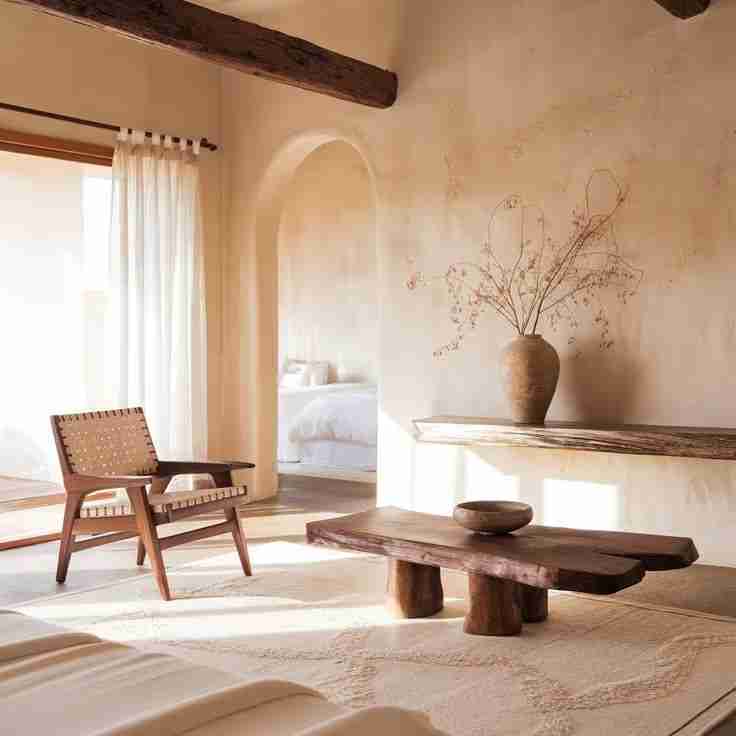
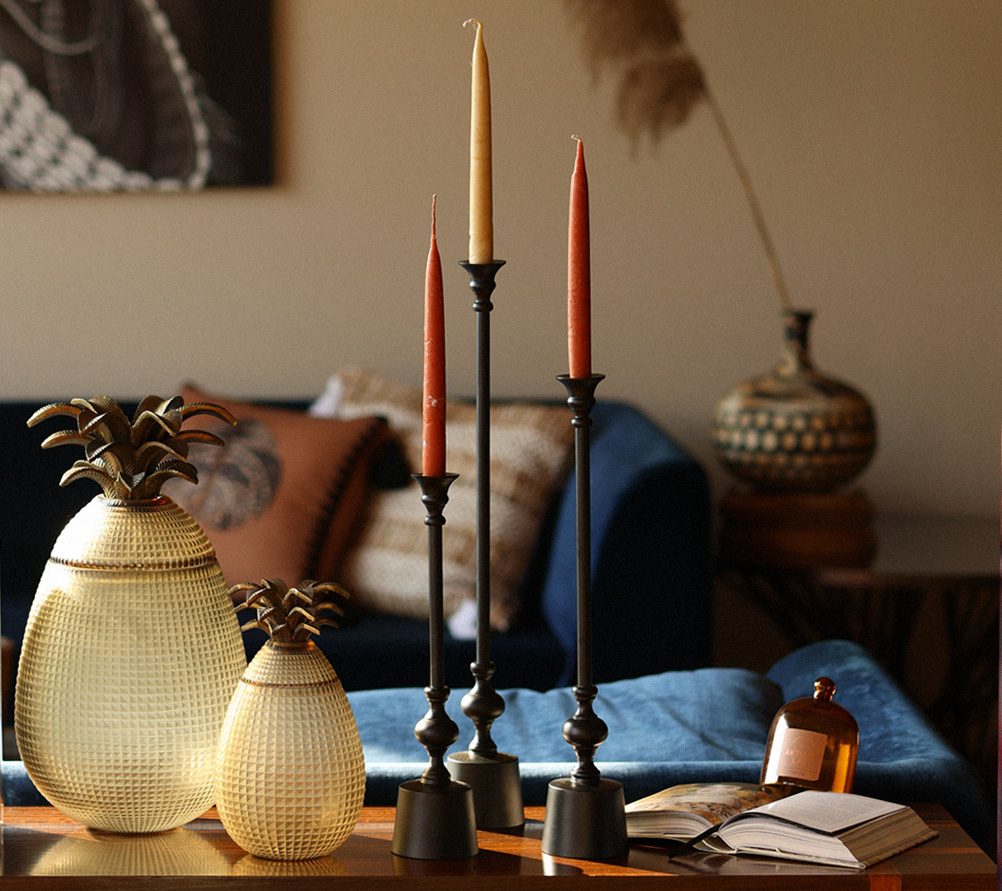
It appears quietly: a handwoven textile resting against a concrete floor, a ceramic bowl replacing factory-made tableware, brass kept close at hand because it’s useful, not precious.
This shift isn’t about revival. It feels more like a recalibration. Homes today seem less interested in ornamentation and more invested in intention.
Craft is no longer asked to explain its history or perform tradition. It’s asked to function; to belong naturally, without ceremony. Handmade objects are no longer statements. They’re companions.
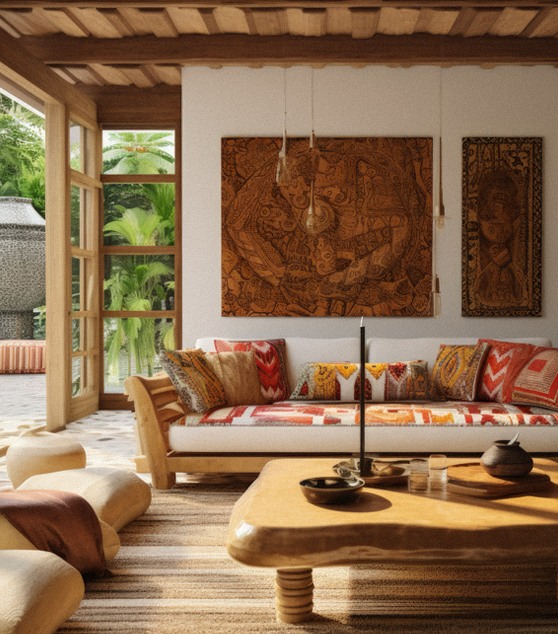
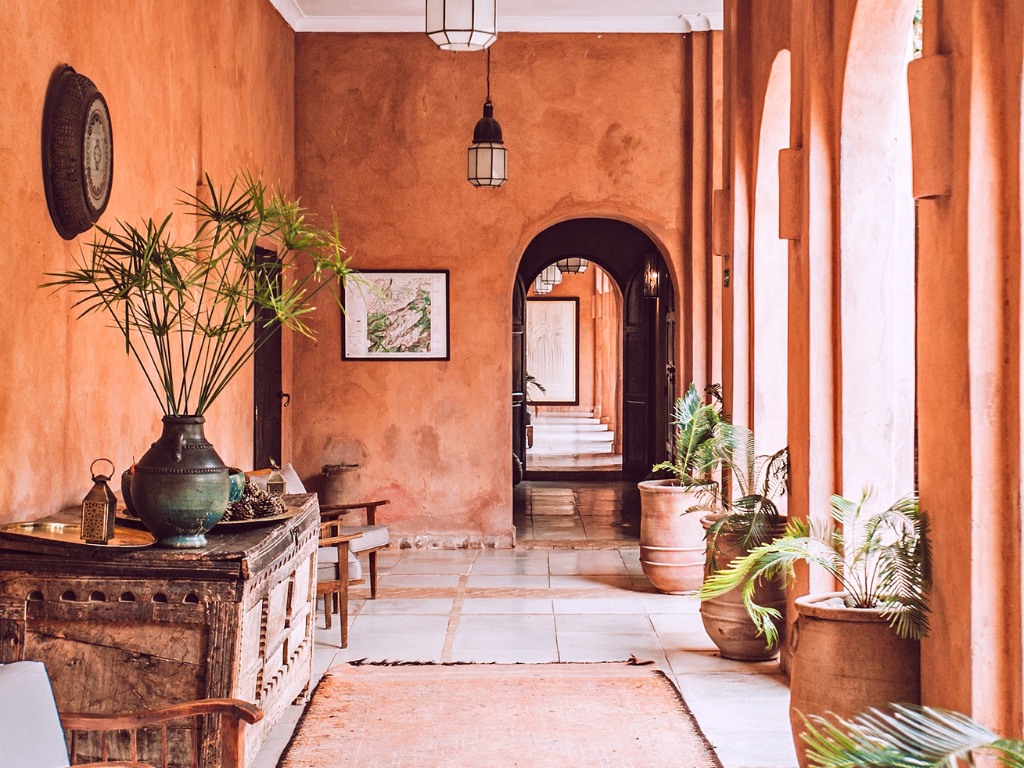
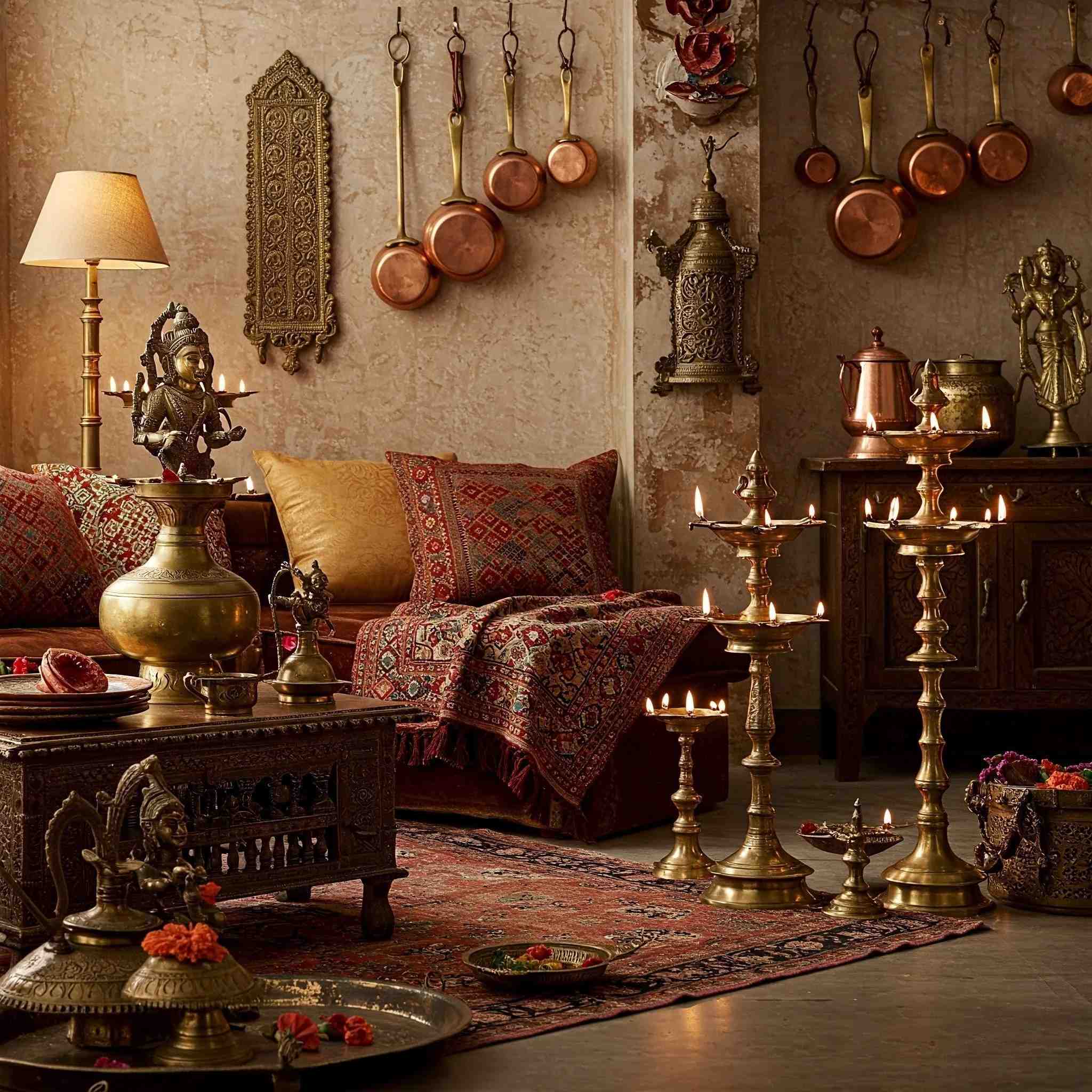
Designers and makers appear to sense this shift. Traditional techniques surface in quieter forms, scaled for contemporary spaces, refined without being stripped of integrity. What remains unchanged is the process. Time is still built in. Skill is still visible. Nothing feels rushed.
In this context, craft becomes grounding. Amid screens, speed, and constant visual noise, handmade objects bring weight back into a room. They slow the space. They invite touch. They introduce a rhythm that doesn’t ask for attention.
What’s perhaps most telling is how little these objects try to impress. They don’t photograph loudly. They don’t arrive with instructions. They reveal themselves slowly, through familiarity.
Over time, they begin to feel less like acquisitions and more like markers; of routines formed, mornings repeated, evenings shared. In living with them, a quieter kind of luxury emerges: one rooted not in display, but in continuity.
A carved wooden stool carries the memory of the hands that shaped it, but also supports someone tying their shoes. A woven basket moves through the day, holding laundry, groceries, toys. These objects don’t demand reverence. They earn it through use.